Training · · 5 min read
The 20-minute workout for days that ate your calendar
Your meeting ran over. Dinner still needs making. There is room for a small workout, provided nobody adds burpees to the situation.

Written by
JustGains
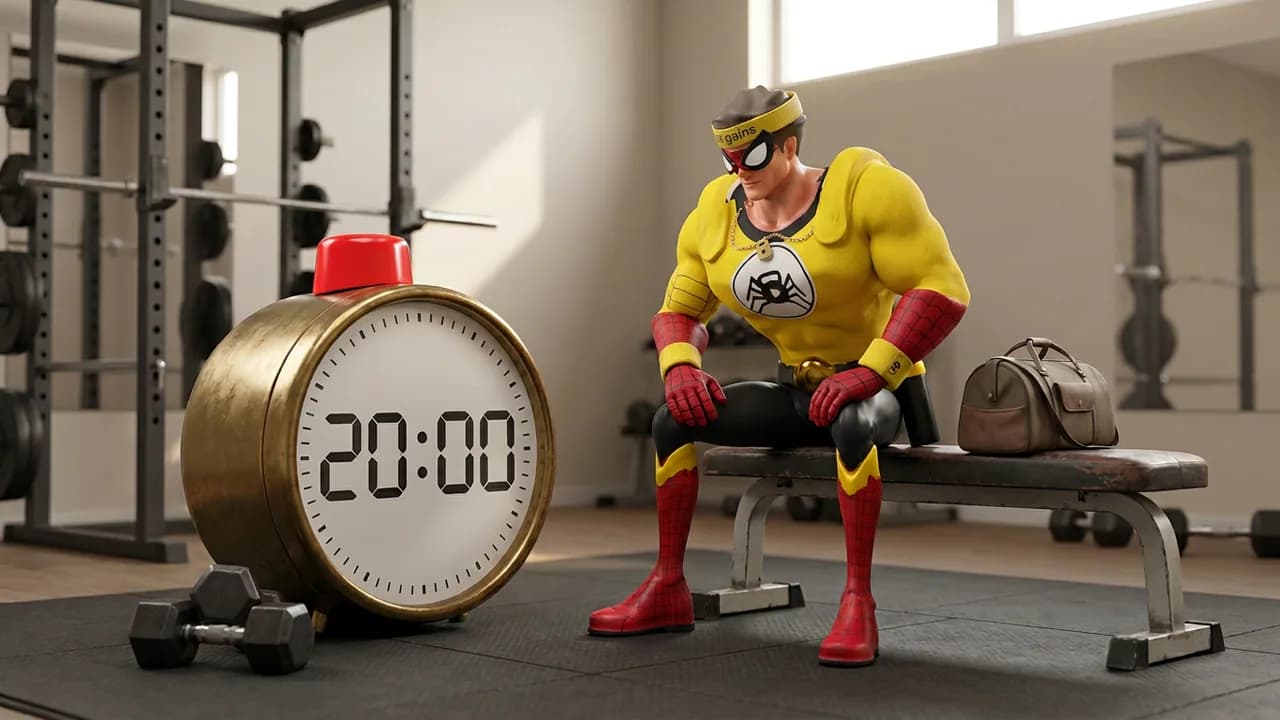
You packed gym clothes this morning with the confidence of someone whose afternoon had not happened yet. Now a meeting has acquired a sequel, the commute has opinions, and your training window is twenty minutes. Keep the clothes. A smaller session is a reasonable thing to put in that window.
What a short session can do
A 2021 review of time-efficient strength training found that lower-volume routines can improve strength and muscle size. The authors recommended prioritizing movements that work several joints. Most studies they discussed involved untrained or recreationally active people. This supports a modest backup workout; it does not establish that twenty minutes equals every longer session.
Keep the week in view. CDC adult activity guidance recommends strengthening all major muscle groups on at least two days weekly, alongside aerobic activity. A short session can contribute to that plan. The example below is our practical arrangement of exercises and time, not a tested twenty-minute protocol or a complete weekly program.
Choose before you start the clock
For this example, choose one familiar leg exercise, one push, and one pull. Try a goblet squat, an incline push-up against a sturdy surface, and a seated cable row. If you prefer machines, a leg press and chest press can fill the first two slots. Pick equipment you can actually reach. Three occupied machines and a territorial water bottle are a scheduling problem.
Scale the choices to your current ability: use a bodyweight squat to a stable chair, raise the push-up surface, or reduce the row weight. If a movement is unfamiliar, learn it during a session with more time or ask a qualified trainer for help. Today is an excellent day to use the exercises you already understand.
Here is where the twenty minutes go
Minutes 0 to 6 are preparation. Start with easy marching or walking, then rehearse a few easy repetitions of each chosen movement with lighter resistance. The NHS general warm-up routine allows at least six minutes and advises longer when needed. Our warm-up is a different example; six minutes is a budget, not a guarantee that everyone is ready.
Minutes 6 to 18 contain six two-minute windows. Start leg sets at 6:00 and 8:00, push sets at 10:00 and 12:00, and row sets at 14:00 and 16:00. Aim for 6 to 10 controlled repetitions per set. Each window includes the set, rest, and any equipment adjustment. A thirty-second set leaves ninety seconds before the next start. The last window ends at 18:00.
Keep the rest. The time-efficient training review advises one to two minutes between sets for untrained lifters and at least two for trained lifters pursuing maximum gains. This is a modest session with manageable loads. If you need more recovery or setup time, skip a scheduled set. Never speed up repetitions to catch the clock.
Minutes 18 to 20 are a quiet finish: put equipment away and record what you completed. Six minutes of preparation, twelve for work and rest, two to finish. The arithmetic has survived contact with the gym.
Finish each set with something left
Choose resistance that feels challenging while leaving roughly two or three clean repetitions available. That is a practical effort target for this example. ACSM’s 2026 guidance for healthy adults reports that reaching muscle failure does not consistently improve outcomes for the average healthy adult. You can finish a useful set before your facial expression becomes the main event.
Stop if an exercise causes pain or you feel unwell. If an injury or health condition makes suitability uncertain, get individual advice before trying the session, as the NHS exercise guidance recommends.
Give the small session a place in your log
Write down the exercises and completed sets, including any you dropped to protect rest. Next time your calendar does this, you have a starting point. Keep your fuller sessions when time allows, and review the week for muscle groups this short selection missed.
JustGains lets you log your sets, reps, and weights and look back at workout history. Put this small session in there so you can find it on the next overbooked Tuesday. Install JustGains for iPhone or Android.
Sources
Figures were read from each source on Oct 7, 2026. The people and projects featured did not review or endorse this article.
Keep reading
Getting started · · 4 min read
Your first gym session has a tutorial level
A friendly first-gym-day plan for learning the room, trying a few movements, and handling the small etiquette questions nobody puts on the membership form.

Nutrition · · 4 min read
Protein without turning dinner into homework
Everyday meal ideas, plant options, and useful shortcuts for getting protein onto your plate without eating the same dinner forever.
Progress & activity · · 4 min read
The tiny plate appreciation society
A small plate, one extra controlled rep, and a workout history worth checking. Give the less dramatic gym wins their moment.
Training · · 4 min read
Your dumbbells and running shoes can be friends
How to make room for enjoyable cardio alongside lifting, with a flexible example week and an honest look at the interference research.

Progress & activity · · 4 min read
Turn your walk into a side quest
A favorite tree, a coffee loop, a very important duck inspection. Give your next walk a small purpose without making 10,000 steps the admission price.

Nutrition · · 4 min read
Creatine is allowed to be boring
A calm guide to what creatine can help with, why plain monohydrate is enough, and how to keep the supplement from becoming the main character.
Recovery · · 4 min read
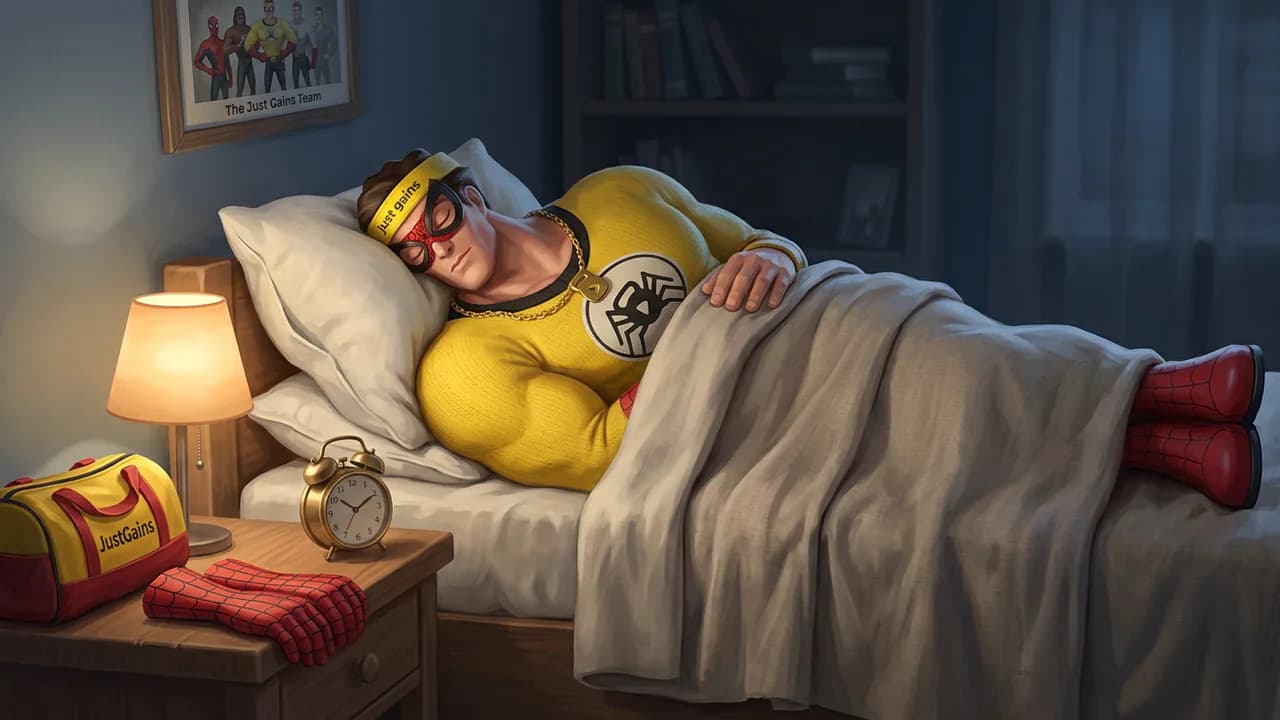
Your training plan needs a bedtime
A realistic evening routine for people who lift, plus a sensible plan for the workout after a bad night. Hugh G. Mass demonstrates the duvet phase.
Training · · 4 min read
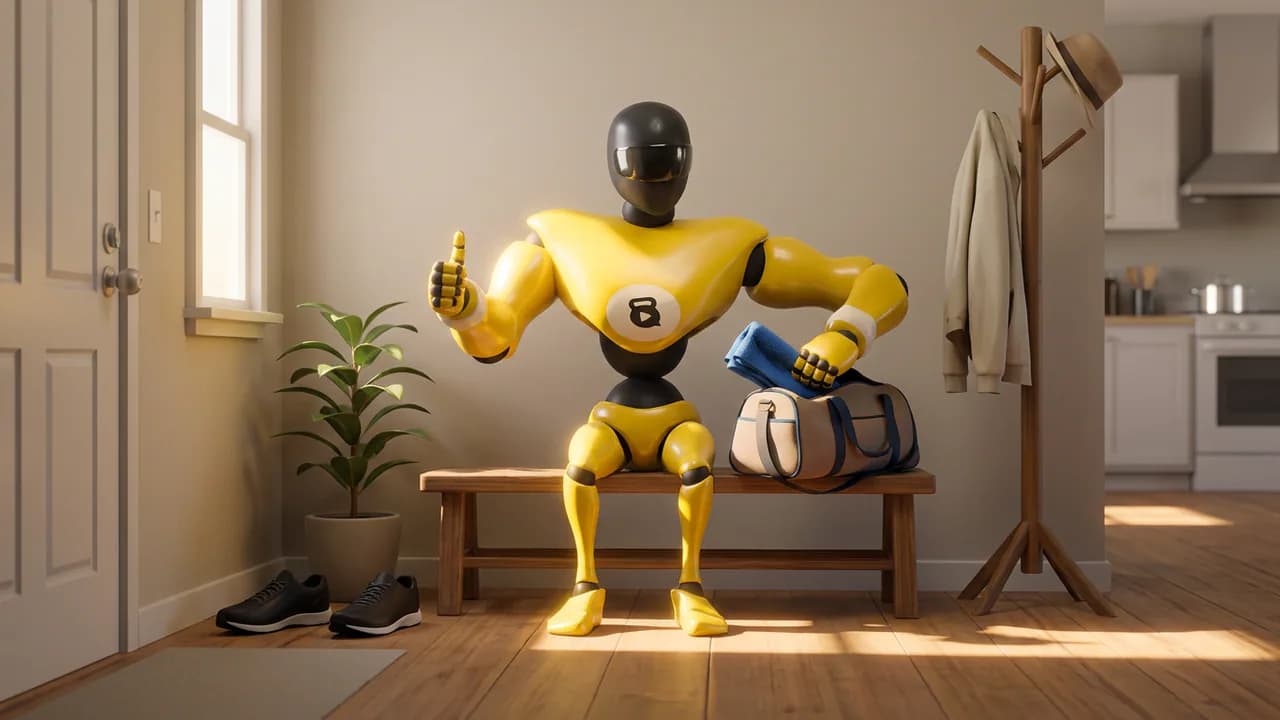
Missed a week? The gym has not filed a missing-person report
A practical return after an ordinary missed training week, with a manageable first session, room to adjust, and absolutely no apology burpees.
Nutrition · · 4 min read
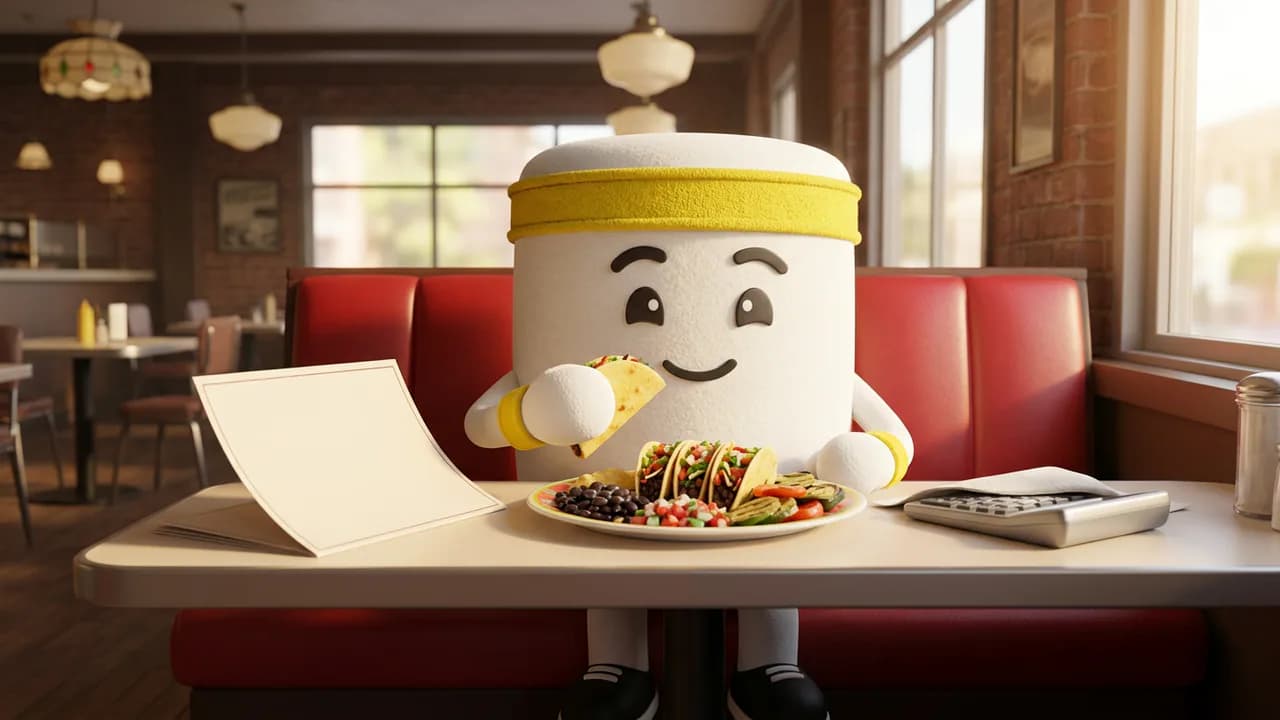
The menu is not a math exam
Enjoy dinner out, use restaurant nutrition information when it helps, and make peace with an estimate if you choose to log your meal.

Inside JustGains · · 3 min read
There’s a JustGains gym in a browser game now. Train there and you get bigger.
Phil Campbell’s Blade House is a browser world for creator Max Blade. Across the street he put a JustGains gym with a bench press minigame, rowers and a size buff.
Training · · 3 min read
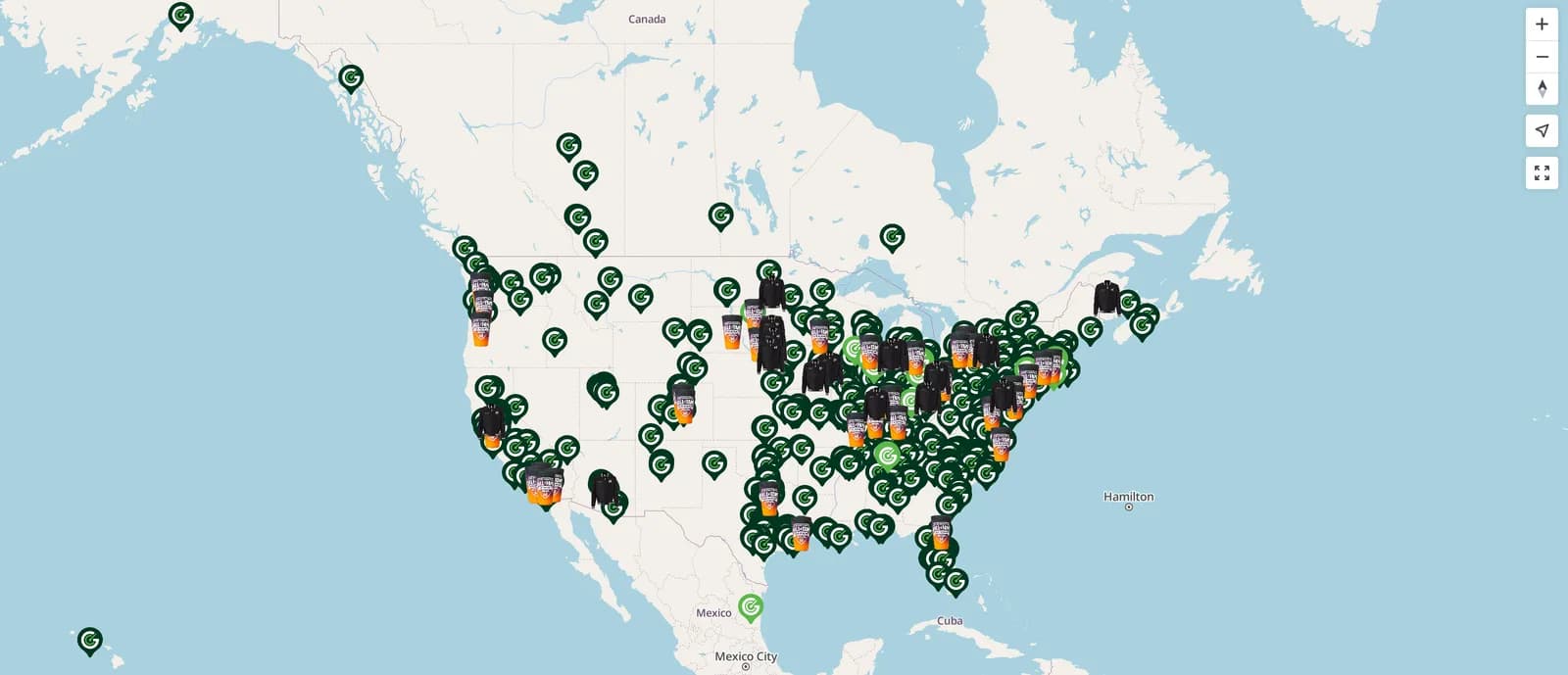
There’s a website for mapping home gyms. Who knew?
Gym Radar maps and catalogs more than 2,200 home gyms. Then Wes Bos used Claude to build a 3D gym builder that recreates them piece by piece.
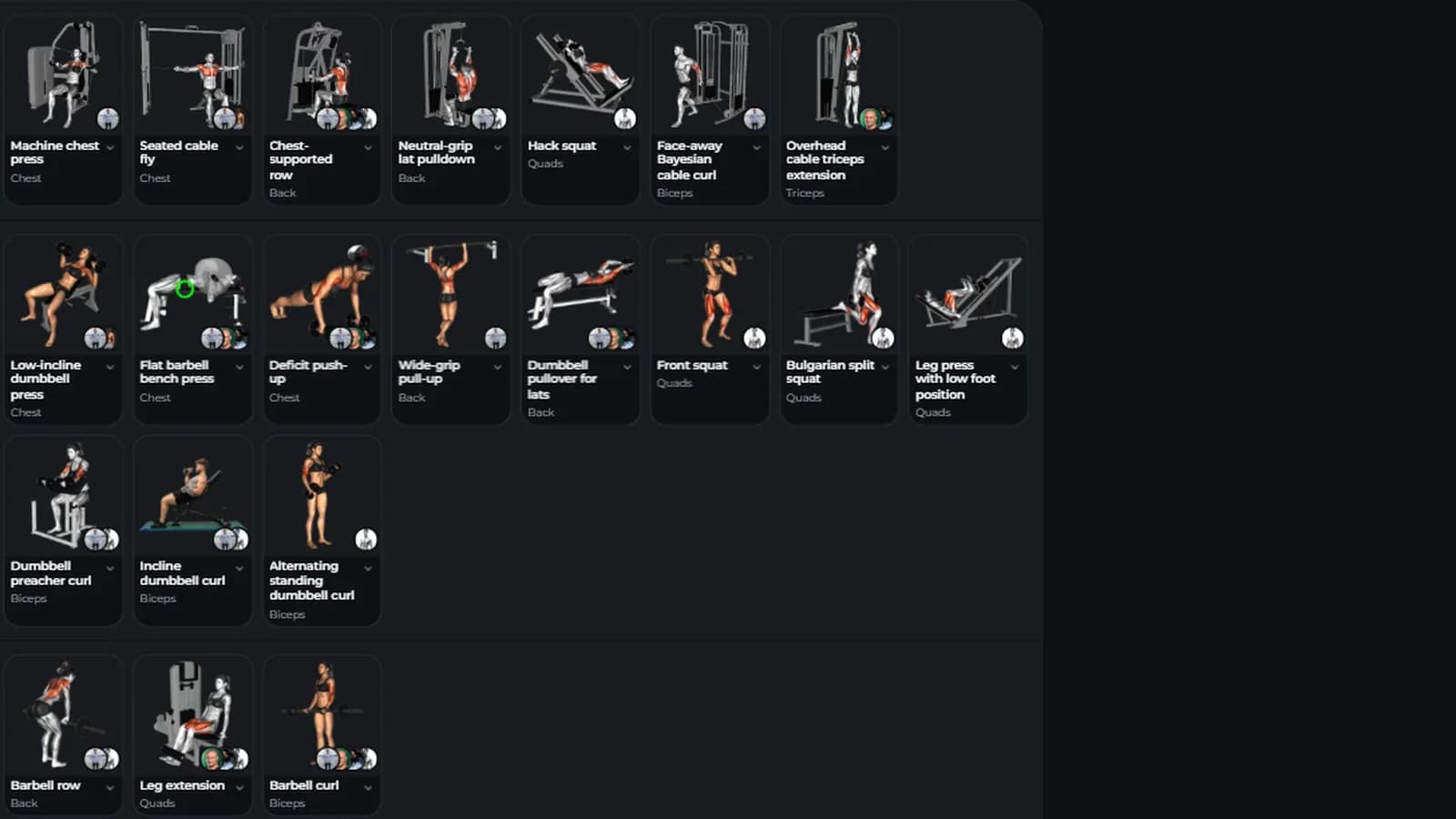
Training · · 3 min read
Exercise tier lists: what deserves your time?
We compare Jeff Nippard, Mike Israetel with Milo Wolf, ATHLEAN-X, and Jeremy Ethier to build a practical muscle-growth tier chart, with their disagreements intact.
Training · · 6 min read
Rep ranges
Do 20 reps steal your strength? Do singles make muscles shrink and become dense? Court is now in session.
Training · · 5 min read
What is RPE?
RPE is a 1 to 10 effort scale for logging how hard a set actually felt.
Training · · 5 min read
Sets, reps, and training volume
Training volume is how much work you actually do, usually counted in hard sets.