Progress & activity · · 4 min read
The tiny plate appreciation society
The smallest plate in the gym deserves better publicity. So does the ninth rep you used to stop before.

Written by
JustGains

Picture finishing a solid set, walking to the plate tree, and finding that the next available jump feels wildly ambitious. Beside the big plates sits a little one that could pass for a coaster. You hesitate. Surely progress should look more impressive than something you could lose behind a radiator.
Welcome to the tiny plate appreciation society. Membership is open to anyone who has earned one more controlled rep and then described their workout as “basically the same.” We would like to inspect the receipts.
Give the little plate a job
Take an illustrative barbell lift at 40 kg total. Adding 5 kg increases the load by 12.5%. Adding a 0.5 kg fractional plate to each side increases it by 1 kg, or 2.5%. That arithmetic explains the appeal: smaller plates give you another step between two available loads. They cannot decide whether you are ready for that step.
There is some direct research, though it is small and old. Hostler and colleagues’ 2001 trial compared smaller and traditional load increases in 19 college-aged men and women after an initial training period. Both approaches were effective for strength over the following eight weeks. That supports tiny increments as an option; it does not establish that they produce better long-term results.
If your gym has suitable fractional plates, use matching loads on both sides. If it does not, keep your money in your pocket for now. The rep counter also has room to move.
The spare rep deserves a receipt
Suppose your planned range is eight to twelve reps. Last time, your first set stopped at eight. Today you complete nine with the same load, movement, and intended effort. Write down nine. Rounding that away because the dumbbell looks identical is some impressively harsh accounting.
In Plotkin and colleagues’ 2022 trial, 43 people with resistance-training experience followed eight weeks of lower-body training. One group progressed load; the other progressed repetitions. Both approaches produced muscular adaptations, with most differences between groups small. This was a short study of specific exercises, so it cannot promise the same result for every lift. It does give the extra-rep approach a research basis.
Our eight-to-nine example is a way to notice a change, not a tested prescription. Let your program set the rep range. There is no society rule requiring you to squeeze out a bonus rep on every visit.
Compare the same lift
Before awarding yourself a miniature trophy, check what changed. Compare the same exercise and equipment, with a similar range of motion and rest between sets. A set done first in the workout deserves different context from one done after several demanding exercises. Keep any deliberate changes in your notes.
The point of this comparison is to describe your performance honestly. If eight rushed reps become eight controlled reps, record that improvement in execution. If nine reps required a much harder effort, record that too. A bigger number alone cannot tell you how much muscle you gained.
Leave Tuesday out of the negotiation
A calendar reminder can tell you when to train. It cannot make another plate appropriate. Repeating a load is an available decision, even when last Tuesday went well. Give yourself permission to follow the session you planned without attaching a compulsory personal record to it.
The ACSM’s 2026 resistance-training guidance puts regular participation and individual goals at the center of training for healthy adults. Its review also found that reaching muscle failure did not consistently change outcomes for the average healthy adult. That leaves room for a session with useful effort and an uneventful final rep.
Bring one comparison to your next session
Choose one familiar exercise and look up your last comparable session before warming up. Decide what you want to observe: perhaps whether you can repeat those reps with the same control. If your plan allows a small increase and it fits today’s performance, take it. Give the actual result a place in your log.
JustGains lets you log sets, reps, and weight, then review your exercise history when you return. Install JustGains for iPhone or Android, and save the tiny win while you still remember which plate you used.
Sources
Figures were read from each source on Oct 7, 2026. The people and projects featured did not review or endorse this article.
Keep reading
Training · · 5 min read
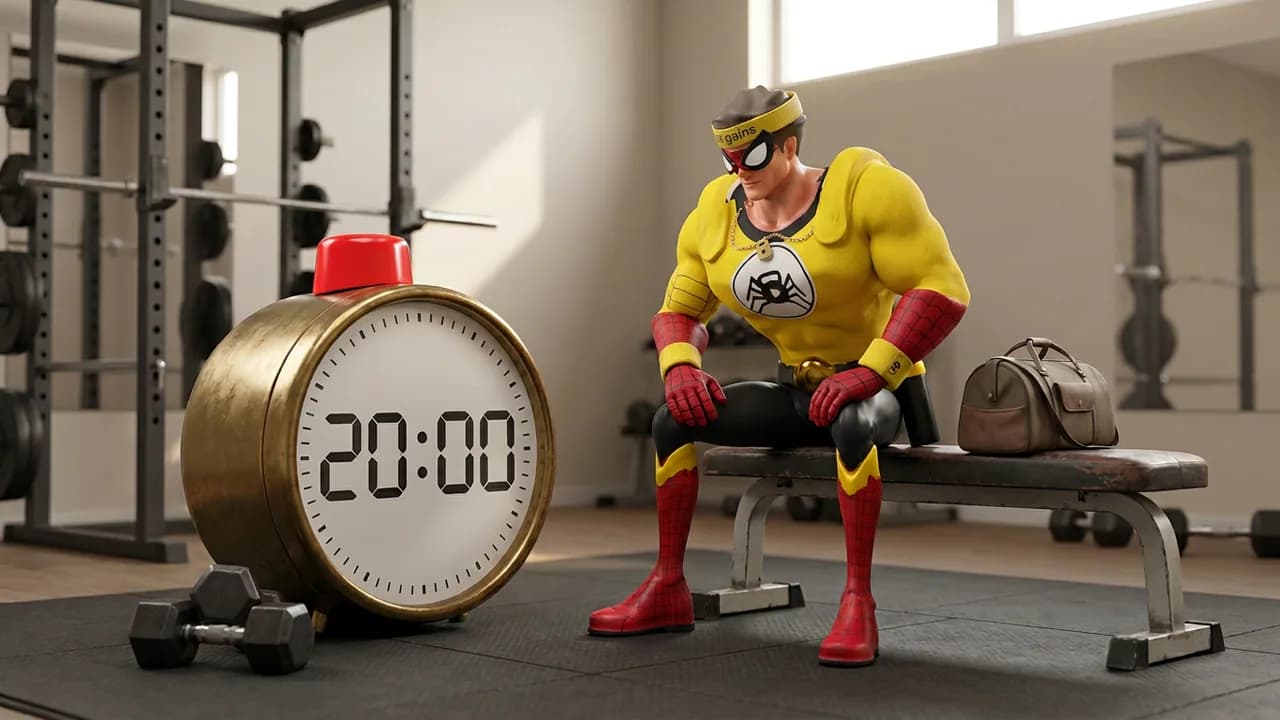
The 20-minute workout for days that ate your calendar
A practical short strength session with a warm-up, six sensible sets, and actual rest. For the days when your calendar has other plans.

Getting started · · 4 min read
Your first gym session has a tutorial level
A friendly first-gym-day plan for learning the room, trying a few movements, and handling the small etiquette questions nobody puts on the membership form.

Nutrition · · 4 min read
Protein without turning dinner into homework
Everyday meal ideas, plant options, and useful shortcuts for getting protein onto your plate without eating the same dinner forever.

Training · · 4 min read
Your dumbbells and running shoes can be friends
How to make room for enjoyable cardio alongside lifting, with a flexible example week and an honest look at the interference research.

Progress & activity · · 4 min read
Turn your walk into a side quest
A favorite tree, a coffee loop, a very important duck inspection. Give your next walk a small purpose without making 10,000 steps the admission price.

Nutrition · · 4 min read
Creatine is allowed to be boring
A calm guide to what creatine can help with, why plain monohydrate is enough, and how to keep the supplement from becoming the main character.

Recovery · · 4 min read
Your training plan needs a bedtime
A realistic evening routine for people who lift, plus a sensible plan for the workout after a bad night. Hugh G. Mass demonstrates the duvet phase.

Training · · 4 min read
Missed a week? The gym has not filed a missing-person report
A practical return after an ordinary missed training week, with a manageable first session, room to adjust, and absolutely no apology burpees.
Nutrition · · 4 min read
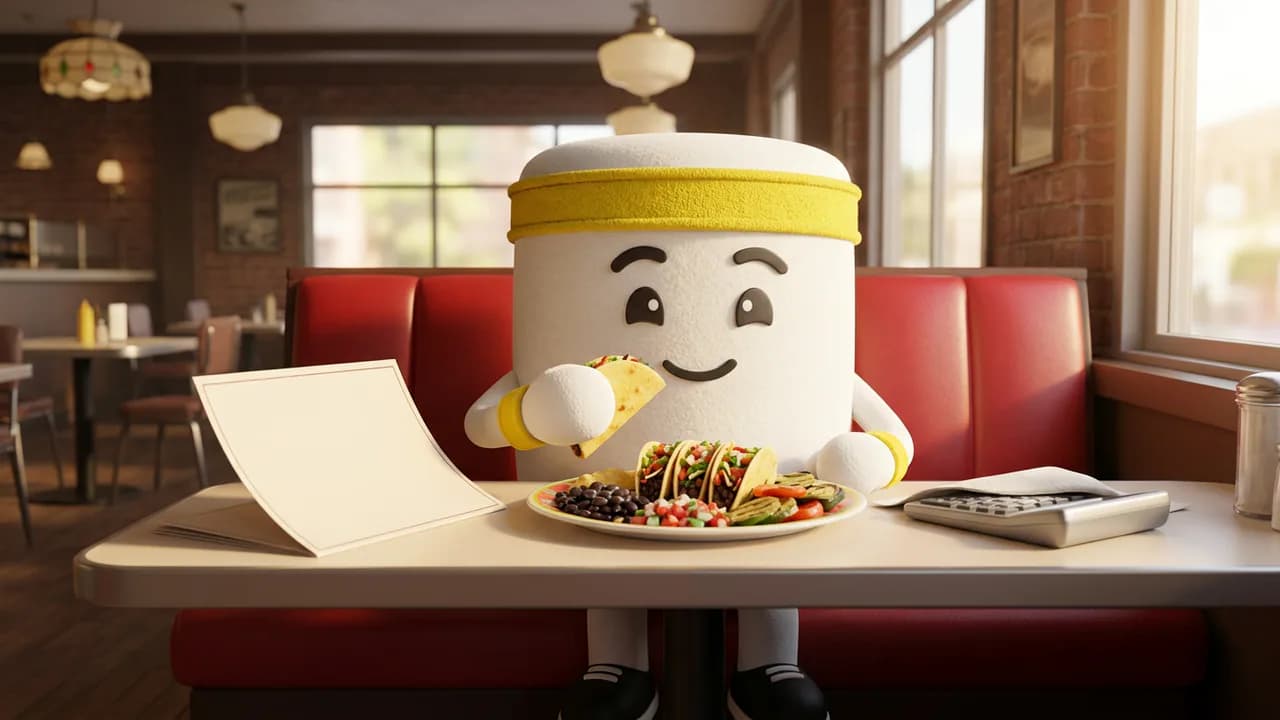
The menu is not a math exam
Enjoy dinner out, use restaurant nutrition information when it helps, and make peace with an estimate if you choose to log your meal.

Inside JustGains · · 3 min read
There’s a JustGains gym in a browser game now. Train there and you get bigger.
Phil Campbell’s Blade House is a browser world for creator Max Blade. Across the street he put a JustGains gym with a bench press minigame, rowers and a size buff.
Training · · 3 min read
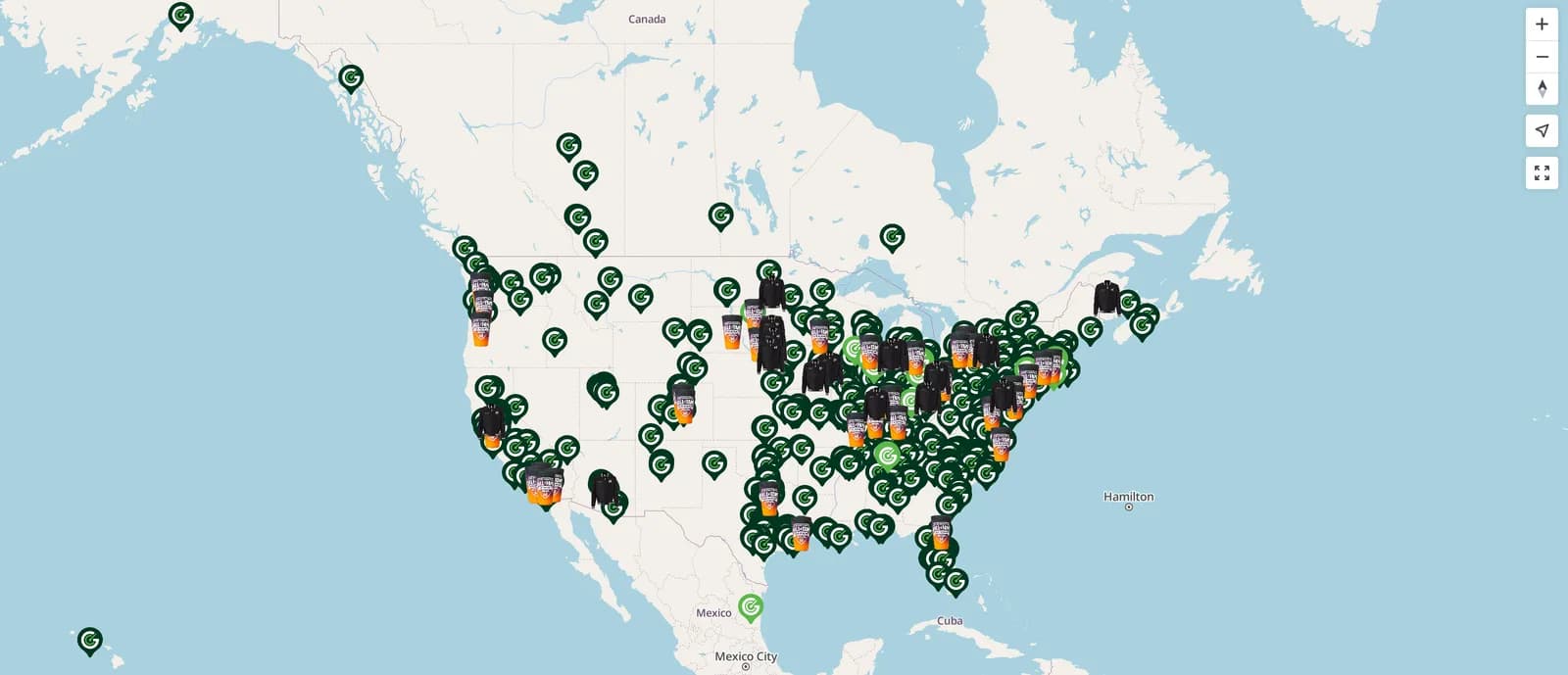
There’s a website for mapping home gyms. Who knew?
Gym Radar maps and catalogs more than 2,200 home gyms. Then Wes Bos used Claude to build a 3D gym builder that recreates them piece by piece.
Training · · 3 min read
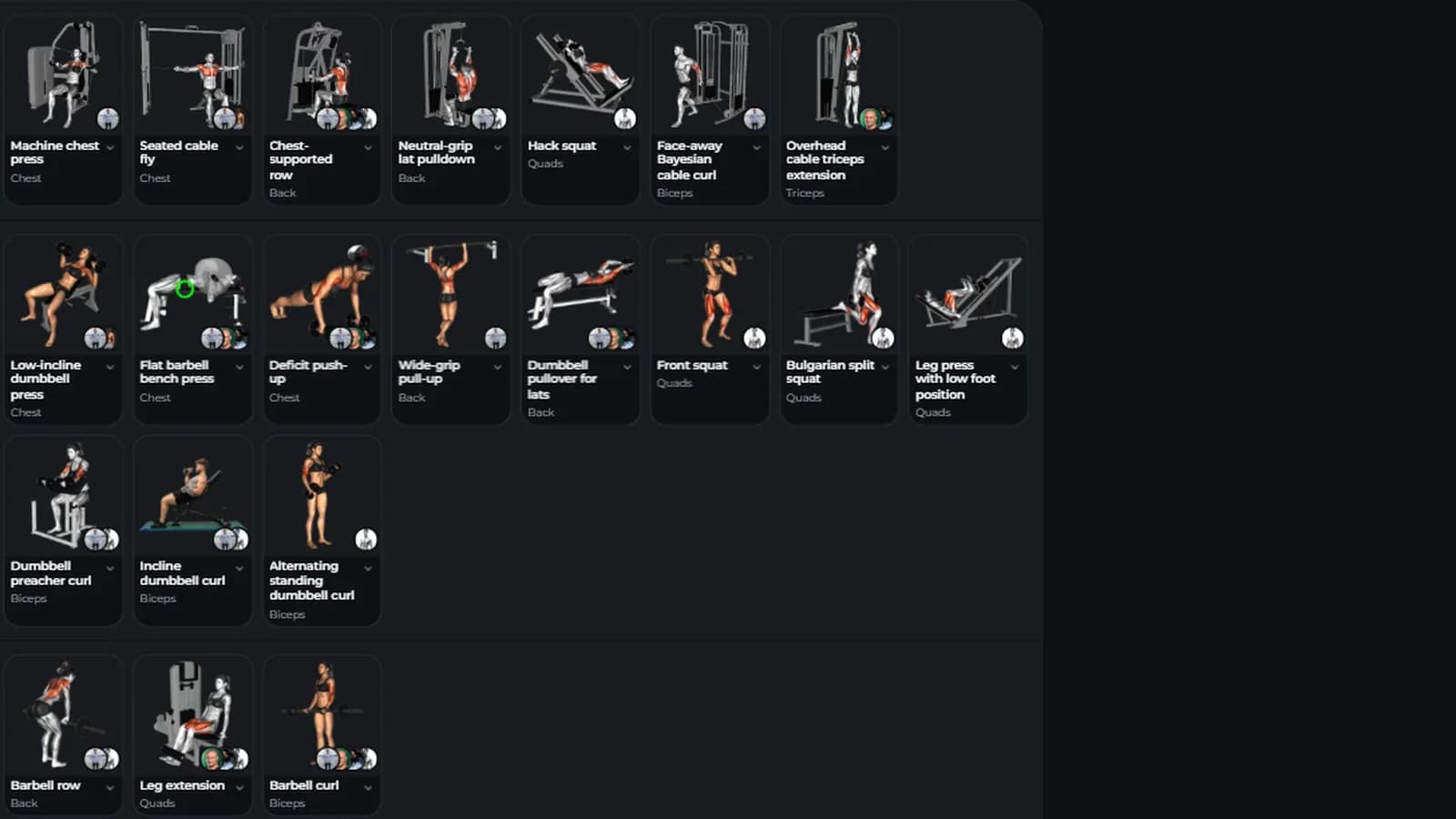
Exercise tier lists: what deserves your time?
We compare Jeff Nippard, Mike Israetel with Milo Wolf, ATHLEAN-X, and Jeremy Ethier to build a practical muscle-growth tier chart, with their disagreements intact.
Training · · 5 min read
What is progressive overload?
Progressive overload means asking a little more of your body over time.
Training · · 5 min read
The plate calculator: load a barbell without the math
The JustGains plate calculator shows exactly what to load per side while you log, plus the plate math behind it: bar weights, "two plates", and single-stack machines.
Training · · 5 min read
What is RPE?
RPE is a 1 to 10 effort scale for logging how hard a set actually felt.